Iron Rose Stock, Rosa Ferrum
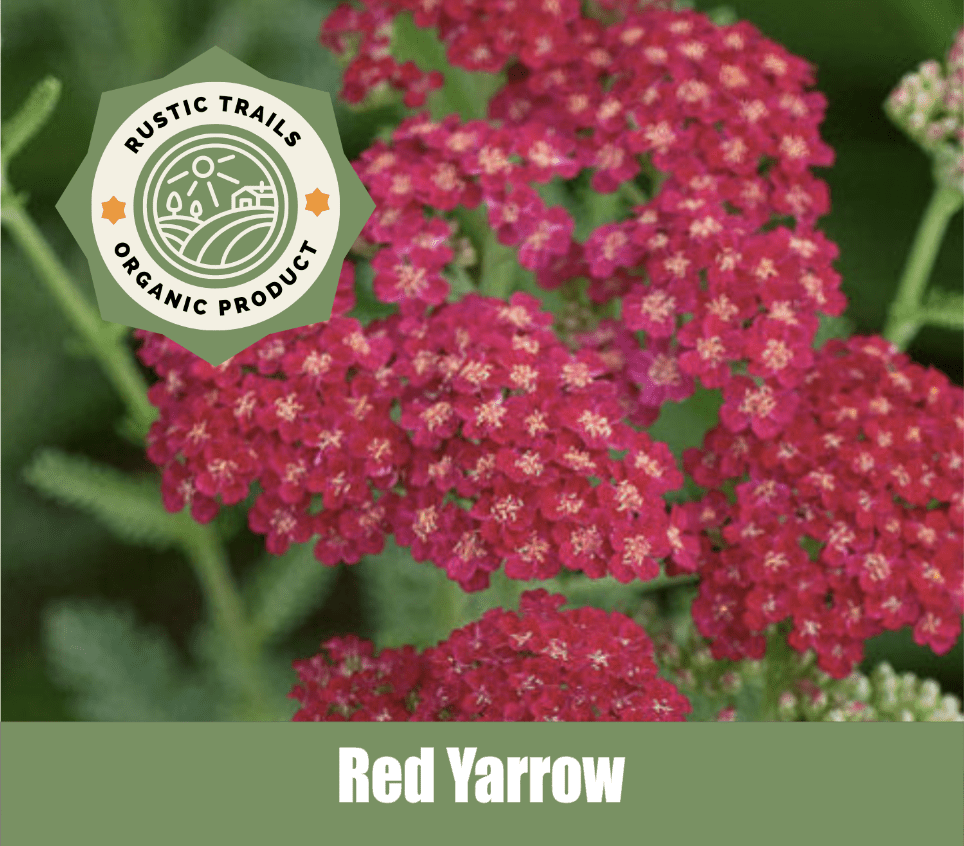
Red Yarrow, scientifically known as Achillea millefolium rubra, is a captivating perennial herbaceous plant that belongs to the Asteraceae family. This striking plant is a variety of the common Yarrow (Achillea millefolium) and is characterized by its finely divided, feathery leaves and striking clusters of deep red to maroon flowers. The plant typically grows to a height of 1 to 3 feet and spreads about 1 to 2 feet wide. The flowers are arranged in flat-topped inflorescences known as corymbs, creating a beautiful umbrella-like appearance. Red Yarrow is not only visually appealing but also holds historical and herbal significance.
The plant typically grows to a height of 1 to 3 feet and spreads about 1 to 2 feet wide. The flowers are arranged in flat-topped inflorescences known as corymbs, creating a beautiful umbrella-like appearance. Red Yarrow is not only visually appealing but also holds historical and herbal significance.
Historical Information and Fun Facts: Red Yarrow has a rich historical background and has been used by various cultures for its medicinal properties. The genus name “Achillea” is derived from the Greek hero Achilles, who, according to mythology, used Yarrow to heal his soldiers’ wounds during the Trojan War. Native American tribes also valued Yarrow for its healing properties, using it for various purposes such as treating wounds and fever. The vibrant red variety, Achillea millefolium rubra, adds a splash of color to gardens and has been used in traditional herbal medicine as well as in ornamental landscaping.
Materials Needed for Growing Red Yarrow:
- Red Yarrow seeds
- Seed-starting trays or pots
- Seed starting mix
- Water source
- Sunlight or grow lights
- Well-draining garden soil
- Garden space or containers
- Mulch (optional)
- Pruning shears
Steps to Grow and Harvest Red Yarrow from Seeds:
Seed Preparation: Red Yarrow seeds do not generally require pre-treatment. However, you can improve germination rates by stratifying the seeds in the refrigerator for a couple of weeks before planting. This involves placing the seeds in a damp paper towel within a plastic bag and keeping them in the refrigerator.
Growing:
- Fill seed-starting trays or pots with seed-starting mix.
- Sprinkle the Red Yarrow seeds evenly over the surface of the mix and lightly press them down.
- Mist the surface with water to moisten the seeds.
- Cover the trays with a clear plastic dome or plastic wrap to create a humid environment.
- Place the trays in a warm location with indirect sunlight or use grow lights.
- Once seedlings emerge, remove the cover and continue to provide adequate light and water.
Transplanting:
- Once seedlings have grown large enough, transplant them into well-draining garden soil in a sunny location or into containers if preferred.
- Space the transplants about 1 to 2 feet apart to allow for their spreading growth habit.
- Water the transplants well after planting and keep the soil consistently moist during the establishment phase.
Harvesting:
- Red Yarrow can be harvested when its flowers are in full bloom.
- Use pruning shears to cut the flowering stems just above a set of leaves.
- Harvesting can be done throughout the flowering season.
Precautions: While Red Yarrow is generally safe for cultivation and use, some individuals may experience skin irritation or allergic reactions when handling the plant. It’s advisable to wear gloves when working with Red Yarrow to avoid any potential skin discomfort.
Uses for Red Yarrow:
- Ornamental: Red Yarrow is often used in landscaping and flower arrangements due to its vibrant color and unique appearance.
- Medicinal: Red Yarrow has been used in traditional herbal medicine for its potential health benefits.
Medicinal Benefits of Red Yarrow:
- Wound Healing: Just like its historical uses, Red Yarrow is believed to have wound-healing properties. It contains compounds that may aid in reducing inflammation and promoting tissue repair.
- Digestive Aid: Red Yarrow has been used to support digestion and alleviate gastrointestinal discomfort.
- Fever Reduction: Traditionally, Red Yarrow has been used to help reduce fever due to its potential diaphoretic (sweat-inducing) properties.
- Menstrual Support: Some herbal traditions suggest that Red Yarrow may help with menstrual discomfort and support overall reproductive health.
It’s important to note that while Red Yarrow has a history of traditional use for these purposes, scientific research on its medicinal properties is ongoing, and consulting with a healthcare professional before using it for medicinal purposes is recommended.
Below are some of the items we feel will help when growing your seeds.
Below are products we believe will be beneficial to you as you grow your seeds. We have tried to locate items that are priced well as well as quality for the dollar value. Please note many of these are affiliate links and I will receive compensation for some of the items below. By using affiliate links, we can keep the cost of our products down and share the savings with you.